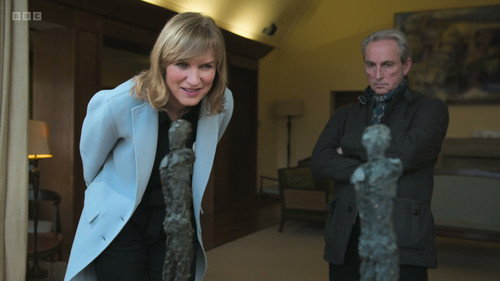
Fiona and Philip investigate Small Warrior, a bronze sculpture bought for £90 at an Essex car-boot sale and believed to be by Dame Elisabeth Frink. Metallurgical analysis, foundry research and traces left by the casting process are used to determine whether it belongs to Frink’s limited 1956 edition or is a later reproduction.
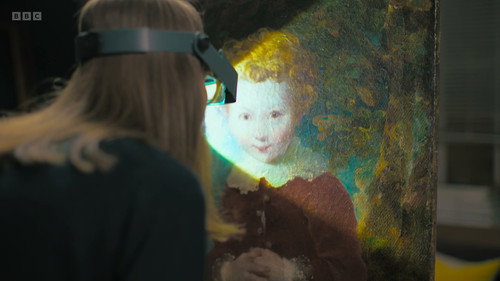
A painting bought online for £2,700 as “in the manner of” Sir Joshua Reynolds is found beneath extensive later overpainting. Careful cleaning reveals a more ambitious composition, but the investigation must establish whether any part of the work was actually painted by Reynolds or whether it is an accomplished pastiche assembled in his style.
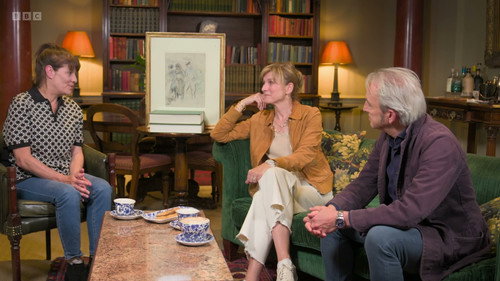
The team investigates two disputed French drawings: a market scene attributed to Camille Pissarro and a delicate tree study believed to be by Paul Cézanne. Technical examination, family provenance and research in France provide strong evidence, but each work faces a separate authentication authority and a very different final judgment.
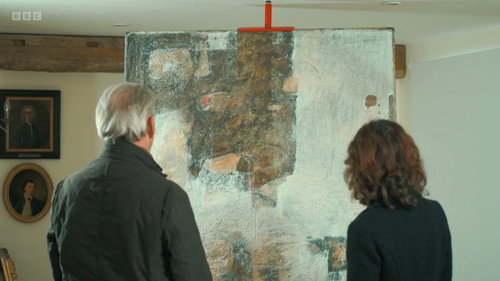
A canvas given to the owner’s late husband by Arshile Gorky’s widow may conceal an important early painting beneath a layer of white household paint. Research in Britain and the United States identifies possible lost compositions, while conservation tests raise a difficult question: whether removing the white layer would reveal a masterpiece or destroy part of the artist’s own history.