PBS' premier science series helps viewers of all ages explore the science behind the headlines. Along the way, NOVA demystifies science and technology, and highlights the people involved in scientific pursuits.
NOVA is available to stream on DirecTV On Demand, Hoopla, Prime Video, and YouTube TV in United States. You can also rent or buy it from Google Play, Amazon, Apple TV, and Fandango at Home. Use the direct links below to open the provider.
PBS' premier science series helps viewers of all ages explore the science behind the headlines. Along the way, NOVA demystifies science and technology, and highlights the people involved in scientific pursuits.
Season 46 episodes
Choose an episode, then use the watch options above for the show.
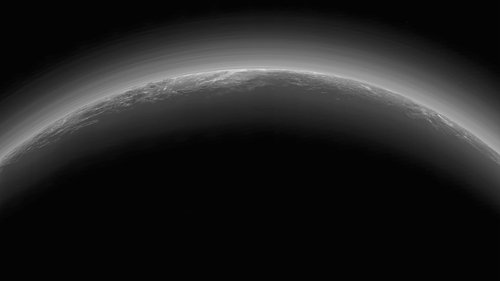
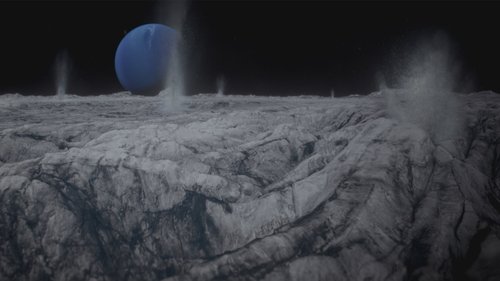
Since it explored Pluto in 2015, the New Horizons spacecraft has been zooming toward NASA’s most distant target yet. Join the mission team as the probe attempts to fly by Ultima Thule, an object 4 billion miles from Earth.
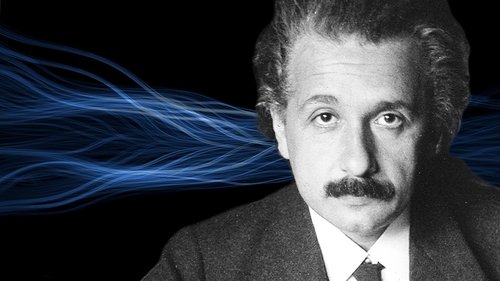
Einstein called it “spooky action at a distance,” but today quantum entanglement is poised to revolutionize technology from computers to cryptography. Physicists have gradually become convinced that the phenomenon—two subatomic particles that mirror changes in each other instantaneously over any distance—is real.
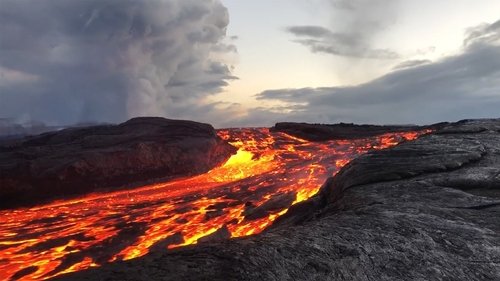
Journey to Hawaii's Kilauea volcano, which sent rivers of lava through communities and into the sea when it erupted in 2018. A group of scientists and locals investigate the spike in volcano activity that turned paradise into an inferno.
Scientists try to determine the cause for the increasing megafire threat by exploring the physics of fire, how firestorms move and travel and by analyzing aerial drone and satellite data to catch fires before they start.
Canadian anthropologist Niobe Thompson travels to sites in Kazakhstan, genetics labs in Denmark and anthropology museums in Russia to unlock mysteries surrounding the first riders of wild horses.
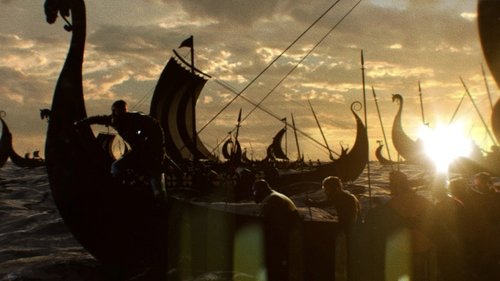
Forensic archaeologist Cat Jarman and her team investigate the Great Heathen army, a legendary Viking fighting force that invaded England in the 9th century.
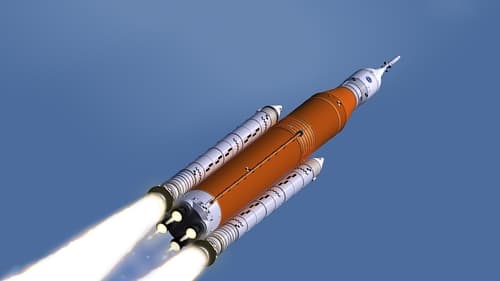
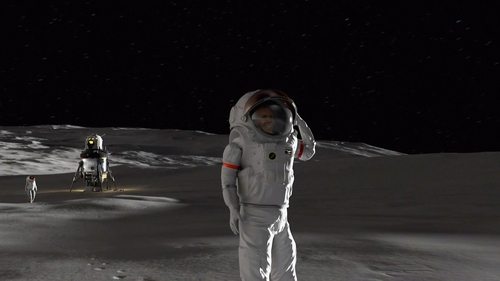
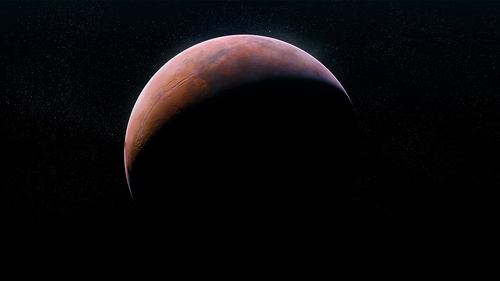
On the 50th anniversary of the historic Apollo 11 Moon landing, NOVA looks ahead to the hoped-for dawn of a new age in lunar exploration. This time, governments and private industry are working together to reach our nearest celestial neighbour. But why go back? The Moon can serve as a platform for basic astronomical research; as an abundant source of rare metals and hydrogen fuel; and ultimately as a stepping stone for human missions to Mars and beyond. Join the next generation of engineers that aim to take us to the Moon, and discover how our legacy of lunar exploration won't be confined to the history books for long.
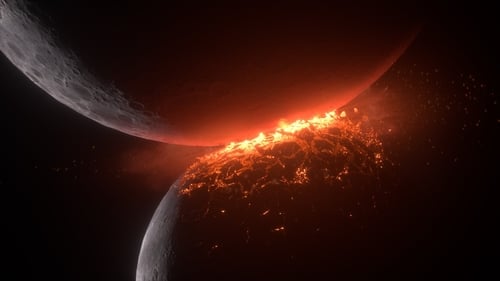
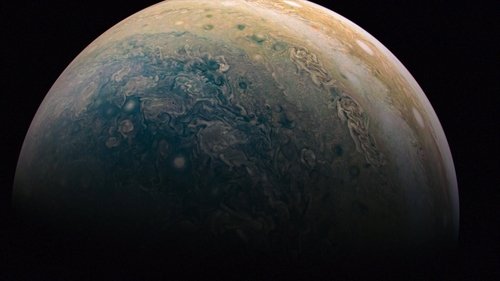
Jupiter's gravitational force made it a wrecking ball as it barreled through the early solar system, but it also helped shape life on Earth as it brought comets laden with water and possibly the asteroid that put an end to the dinosaurs.
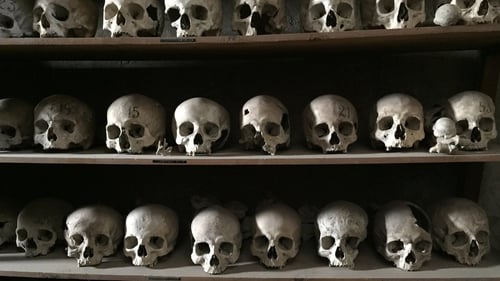
Sixty-six million years ago, an asteroid wiped out the dinosaurs in a fiery global catastrophe. An amazing trove of fossils reveals how mammals took over, ultimately evolving into the huge array of species—including humans—that rule the Earth today.
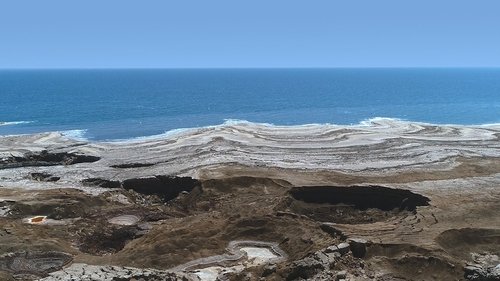
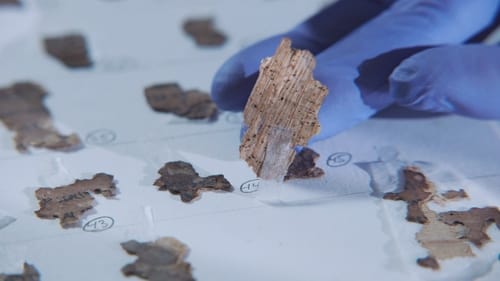
Since the Dead Sea Scrolls were discovered in 1947, these fragile parchment relics have intrigued scholars, religious leaders, and profiteers alike. The 2,000-year-old scrolls include the oldest-known versions of the Hebrew Bible and hold vital clues about the birth of Christianity. While certain scrolls have survived intact, others have been ravaged by time—burnt, decayed, or torn to pieces—and remain an enigma. Now, scientists are using new technologies to read the unreadable, solve mysteries that have endured for millennia, and even discover million-dollar fakes.